Katrina Wilson – Maui Real Estate Navigation
Why Move to Maui, Hawaii | Family Life, Real Estate & Island Living | Katrina Wilson
Maui, Hawaii — Your Island Life Awaits

Why Families Choose
Maui — and Never Look Back

Pristine beaches, year-round sunshine, world-class schools, and a community rooted in Aloha. Maui isn't just a vacation destination — it's a place where families build extraordinary lives. Let Katrina Wilson show you why.

Explore
Coldwell Banker Island Properties
17+ Years on Maui
Relocation Specialist
Global Luxury Certified
★★★★★ Google Reviews
The Island Story

Maui: More Than a Paradise — It's a Place to Call Home

Maui is the second-largest island in the Hawaiian archipelago, spanning 727 square miles of dramatic, breathtaking landscape. From the volcanic summit of Haleakalā at 10,023 feet to the turquoise shallows of Kā'anapali Beach, no two corners of the island feel the same. That diversity is precisely what makes Maui so compelling for families relocating from the mainland.

With a population of approximately 165,000 people spread across five distinct regions, Maui offers the rare combination of a genuine island community and access to world-class amenities. Kahului Airport connects the island to the mainland with daily direct flights to Los Angeles, San Francisco, Seattle, Phoenix, Denver, Chicago, and New York. Once you're here, you'll discover that "island life" doesn't mean giving things up — it means gaining something far more valuable.

The pace is different. Neighbors know each other. Children play outside. Families gather at farmers markets, beach parks, and community festivals rooted in Native Hawaiian culture. The Aloha spirit — genuine, generous, and unhurried — is not a marketing phrase. It is the operating system of daily life on Maui.

Talk to Katrina About Relocating

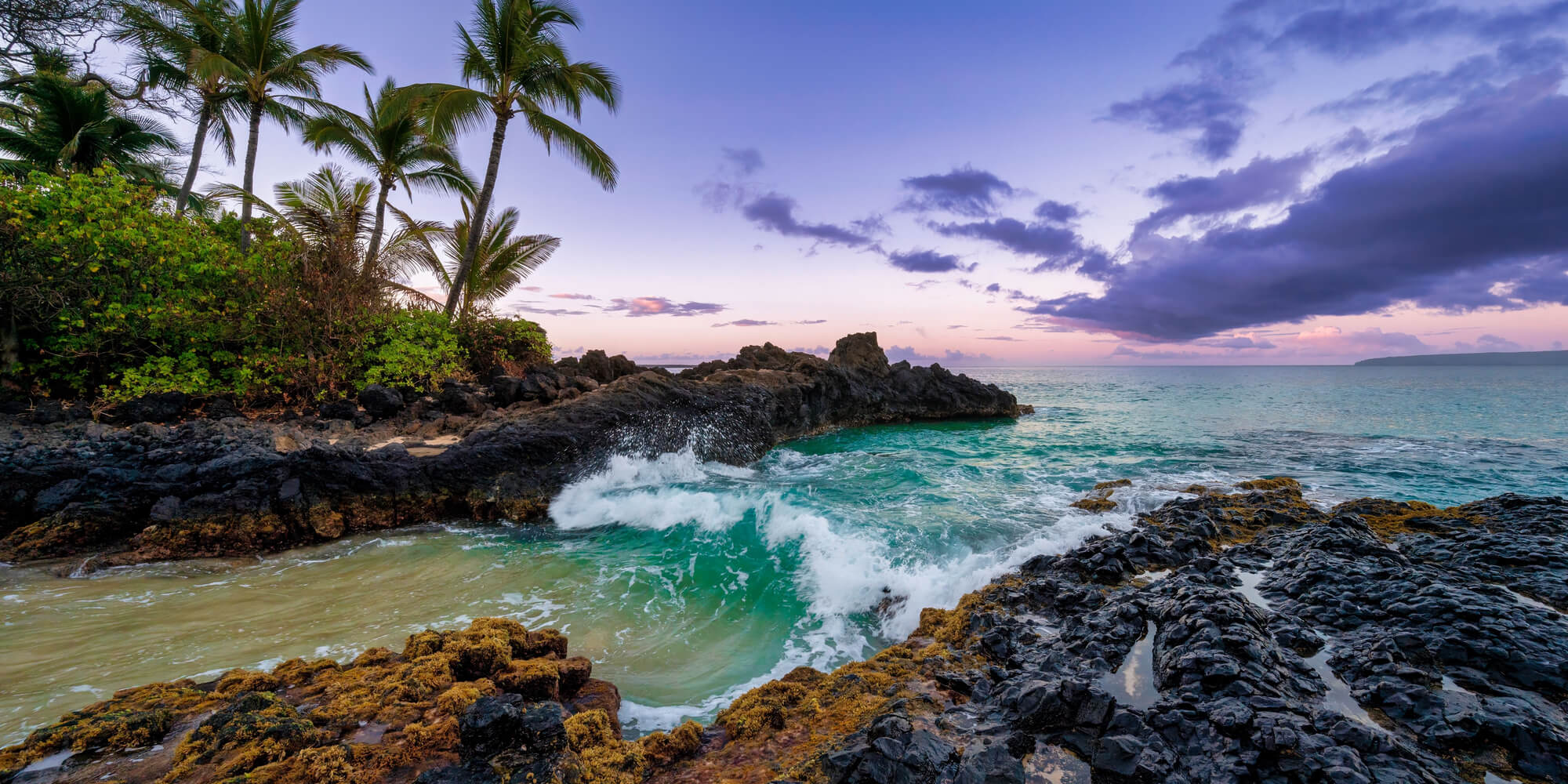
Aerial view of Maui's stunning coastline with turquoise water and lush green hills
Neighborhoods & Regions

Find Your Perfect Corner of the Island

Maui's five regions each have a distinct personality. Here's what families need to know about where to look — and where they'll thrive.

Most Popular

South Maui — Kihei & Wailea

South Maui is the sun-drenched hub of island living. Kihei offers affordably priced condos and single-family homes within walking distance of six consecutive beaches. Wailea, just south, is Maui's luxury resort corridor — home to world-class golf, fine dining, and some of the most coveted real estate on the island. South Maui averages under 10 inches of rain per year and nearly 300 days of sunshine, making it ideal for outdoor-focused families.

Young Families Beach Access Luxury Remote Workers
Resort Living

West Maui — Lahaina, Kā'anapali & Kapalua

West Maui is the historic heart of the island. Lahaina was once the capital of the Hawaiian Kingdom and remains one of the most culturally rich communities in the state. Kā'anapali Beach is consistently rated one of America's best beaches. While the 2023 wildfires reshaped parts of Lahaina, the community's resilience and rebuilding efforts have been remarkable. Families drawn to history, ocean sports, and a tight-knit community will find West Maui deeply rewarding.

History Ocean Sports Rebuilding Community
Hidden Gem

Upcountry — Kula, Makawao & Haiku

Perched on the slopes of Haleakalā between 1,500 and 4,000 feet, Upcountry is Maui's well-kept secret. The air is cooler and crisper, the landscape is green and pastoral, and the pace is unhurried. Kula's farms produce Maui onions, lavender, and some of the most spectacular produce in the state. Makawao retains a genuine paniolo (cowboy) spirit. Multi-generational families and those seeking space, privacy, and a connection to the land gravitate here.

Multi-Gen Families Space & Land Agricultural Privacy
Most Affordable

Central Maui — Kahului & Wailuku

Central Maui is the island's commercial and civic core. Kahului is home to Maui's main airport, the largest shopping centers, the University of Hawaii Maui College, and the island's primary harbor. Wailuku, the county seat, has a charming historic district with locally owned shops and some of the most affordable housing on the island. Families who prioritize convenience, shorter commutes, and value will find Central Maui an excellent base.

Best Value Commuter-Friendly Schools Nearby
Surf Culture

North Shore — Pa'ia, Haiku & Kuau

Maui's North Shore is bohemian, creative, and fiercely independent. Pa'ia is a world-renowned windsurfing and kiteboarding hub, while Haiku's rain-fed jungle neighborhoods attract artists, yogis, remote workers, and families who want lush tropical surroundings and a counter-cultural vibe. Homes here often sit on larger lots with banana trees, papayas, and garden space. Teens who surf, create, or thrive outside conventional structures love growing up here.

Creative Families Surf & Water Sports Lush & Green
Most Remote

East Maui — Hāna

Hāna is Maui's most remote and traditional region, reachable via a legendary 52-mile road with 620 curves and 59 bridges. Only a few hundred permanent residents call Hāna home, and those who do tend to stay forever. The community is deeply rooted in Native Hawaiian culture, with taro farming, fishing, and extended family life at its core. Hāna is not for everyone — but for families seeking radical simplicity and deep nature immersion, it is unlike anywhere on earth.

Off-Grid Living Hawaiian Culture Nature Immersion
The Maui Lifestyle

A Life Lived Outdoors, Together

Maui's climate averages 75–88°F year-round with more than 280 sunny days annually. Outdoor living isn't a seasonal option — it's the default setting.

Beaches & Ocean

Over 30 miles of coastline, including Ka'anapali, Wailea, Napili, Makena, and Hamoa — consistently ranked among the world's finest. Snorkeling, surfing, paddleboarding, whale watching (Dec–May), and dive sites are all within a short drive.

Hiking & Nature

From the moonscape crater of Haleakalā National Park to the bamboo forest trails of the Pipiwai Trail, Maui's hiking is extraordinary. The island has over 120 miles of marked trails at every difficulty level — ideal for families with children of all ages.

Food & Farmers Markets

Maui's restaurant scene rivals any major city. From James Beard–recognized chefs to plate-lunch trucks, the food reflects the island's multicultural heritage. Weekly farmers markets in Kula, Wailuku, Lahaina, and Ulupalakua bring fresh local produce, tropical fruits, and artisan goods to every community.

Culture & Community

Maui hosts the Maui Film Festival, Aloha Festivals, Ki Ho'alu slack-key guitar concerts, hula performances, and dozens of community events tied to the Hawaiian cultural calendar. The `ohana spirit permeates every neighborhood — kids are raised knowing their neighbors, and community pride runs deep.

Golf & Recreation

Maui is home to 14 golf courses, including world-renowned layouts at Kapalua (home of the PGA Tour Sentry Tournament), Wailea, and Kā'anapali. Beyond golf: tennis, pickleball, cycling, yoga, outrigger canoe paddling, and ocean racing are all part of the island's active sports culture.

Health & Wellness

Maui Memorial Medical Center (Wailuku) is the island's full-service hospital, supplemented by Kaiser Permanente, Maui Lani Physicians, and a growing network of specialty clinics. The island's natural lifestyle — daily movement, clean air, fresh food, and community — creates a remarkably healthy population baseline.

Year-Round Climate

Maui's consistent tropical climate is one of its most compelling family advantages. Winters are mild (70–78°F), summers are warm (78–88°F), and trade winds keep the humidity comfortable. No seasonal depression, no extreme weather preparation — every day is a good day to be outside.

Remote Work & Economy

Maui's fiber-optic internet infrastructure has made it one of Hawaii's most viable remote work destinations. Tourism, construction, healthcare, real estate, and agriculture anchor the local economy. Many mainland professionals are choosing to work remotely from Maui while building island careers as entrepreneurs or consultants.

Family enjoying Maui beach life together — snorkeling and playing in the surf
Family Life on Maui

Raising Kids in the Aloha Spirit

Parents who move to Maui often describe the same revelation: their children spend more time outside, form deeper friendships, and develop a relationship with nature that shapes their character in lasting ways. The island's culture of `ohana — family — is not figurative. It is the foundation of how communities organize themselves, how neighbors show up for each other, and how children are raised.

Safety is one of the first things newcomer families notice. Maui consistently ranks among Hawaii's safest communities, with lower violent crime rates than most U.S. mainland cities of comparable size. Kids routinely bike to school, walk to the beach, and participate in after-school activities with an independence that mainland parents often yearn for but rarely experience.

  • Outdoor lifestyle by default: Beach parks, hiking trails, surf spots, and sports facilities are woven into everyday family routines.
  • Multi-cultural community: Maui's population reflects Native Hawaiian, Japanese, Filipino, Portuguese, and mainland American heritage — an extraordinary environment for raising culturally aware children.
  • Community events & festivals: From the Maui Onion Festival to school May Day hula performances, island life creates shared traditions that build belonging.
  • Pets & livestock welcome: Upcountry and rural lots frequently accommodate horses, chickens, and gardens — a lifestyle simply unavailable in most mainland suburbs.
  • Real aloha, not a slogan: Neighbors bring food when someone is unwell. Communities rally after storms. Children are genuinely welcomed and watched over by the whole village.
Plan Your Family's Relocation
Education on Maui

Exceptional Education, Island Style

Maui's educational landscape is far more diverse and competitive than most mainland families expect — spanning nationally recognized public schools, college-preparatory private institutions, progressive charter programs, and a thriving homeschool community.

Public Schools (Hawaii DOE)

Maui is served by the Hawaii Department of Education, which operates on a statewide system. Notable public schools include King Kekaulike High School (Pukalani), Maui High School (Kahului), Lahainaluna High School (one of the oldest high schools west of the Rockies), and King Kamehameha III Elementary. Many Maui public schools achieve above state-average academic outcomes, bolstered by strong parent involvement and community pride.

Private & College-Prep Schools

Maui's private school options include Seabury Hall (a nationally recognized college-preparatory Episcopal school in Makawao), Maui Preparatory Academy (Napili, IB program), Sacred Hearts School (Lahaina), and St. Anthony School (Wailuku). These schools maintain small class sizes, robust arts and athletics programs, and strong college placement records. Several offer needs-based financial aid for qualifying families.

Charter Schools

Maui's charter schools offer compelling alternatives grounded in Hawaiian culture, environmental learning, and project-based education. Pūnana Leo o Maui provides Hawaiian language immersion from preschool through high school. Kula Aupuni Niihau a Kahelelani Aloha (KANAKA) serves Native Hawaiian learning. Kihei Charter School uses an experiential, project-based model that excels for kinesthetic and creative learners.

Homeschooling & Co-ops

Maui has a vibrant and well-organized homeschool community. Hawaii's homeschool laws are among the most parent-friendly in the nation — no mandatory standardized testing, flexible curriculum choice, and straightforward notification requirements. Local co-ops meet weekly for group science, arts, PE, and social activities. Many homeschool families choose Maui specifically because the island's outdoor environment becomes the classroom.

Higher Education

The University of Hawaii Maui College (Kahului) offers associate and bachelor's degrees across business, nursing, culinary arts, Hawaiian studies, and more. Maui also benefits from proximity to UH Mānoa (Oʻahu) for graduate and professional programs. For families with older teens, dual-enrollment programs allow high schoolers to earn college credits while still in secondary school — a popular pathway on island.

Arts, Athletics & Enrichment

Beyond academics, Maui's extracurricular landscape is extraordinary. The Maui Arts & Cultural Center (MACC) hosts world-class performances and youth arts programs. Youth sports leagues cover soccer, baseball, basketball, volleyball, and paddling. Surf and ocean sports academies operate year-round. Hula hālau (schools) teach traditional Hawaiian dance as a living cultural practice. There is genuinely something for every child here.

Cost of Living

The Real Numbers — Honest & Balanced

Maui is more expensive than the U.S. mainland average — and worth an honest conversation before you fall in love with a house. Here's what families typically experience, and the lifestyle ROI that keeps them here.

Monthly Cost Benchmarks (2025 Est.)
3BR/2BA Home (mortgage, avg price $1.2M, 20% down) $5,800–$7,200
3BR Condo (mortgage, avg price $700K, 20% down) $3,200–$4,400
Groceries (family of 4) $1,100–$1,600
Utilities (electric, water, internet) $350–$550
Childcare / Preschool $1,400–$2,200
Car insurance (per vehicle) $100–$180
Hawaii State Income Tax (top bracket) 11% (no separate county tax)
Property Tax (owner-occupied, homeowner exemption) ~$2.71 / $1,000 assessed
General Excise Tax (Hawaii's sales tax equivalent) 4% statewide

The Lifestyle ROI Conversation

Yes, groceries cost more because much of Hawaii's food is shipped. Yes, electricity is expensive because oil powers many of the island's generators. And yes, housing prices have risen significantly — the median single-family home on Maui now exceeds $1.1 million.

But here's what the numbers don't capture: families on Maui spend dramatically less on entertainment, dining out, gym memberships, ski passes, and the dozen other expenses that fill mainland budgets. The ocean is free. The parks are free. The mountains are free. The lifestyle is the amenity.

Many families also discover that Hawaii's tax structure — no state property transfer tax, a homeowner exemption that reduces assessed value, and no inheritance tax — offsets some of the higher day-to-day costs. And for remote workers earning mainland salaries, the math often pencils out better than expected.

The most important number isn't what Maui costs. It's what your life is worth. Katrina will walk you through the real financial picture — honestly, completely, and without pressure.

Get a Relocation Budget Conversation
Maui Real Estate

What You Can Buy on Maui

Maui's real estate market is more diverse than most buyers expect — from affordable condos with ocean views to sprawling Upcountry ranches with room for horses. Here's a primer on what's available.

Single-Family Homes

The most sought-after property type for relocating families. Maui's single-family homes range from modest Central Maui starter homes in the $600Ks to multi-million-dollar Wailea estates. Most neighborhoods offer walkable access to beaches, parks, or mountain trails — an everyday amenity that mainland buyers deeply appreciate.

Condominiums & Townhomes

Maui's condo inventory is extensive and diverse. South Maui alone has hundreds of condominium complexes ranging from budget-friendly studios to luxury oceanfront penthouses. Many complexes allow short-term vacation rentals, creating income-generation opportunities for owners. Understanding HOA fees, rental restrictions, and condo rules is essential — this is where Katrina's guidance pays off immediately.

Oceanfront & Beachfront

True beachfront property on Maui is extremely limited and commands significant premiums. Oceanfront (ocean views, not on the sand) is more available but still scarce. These properties represent some of the strongest long-term value holds in the Hawaiian market — demand has consistently outpaced supply for decades.

Upcountry & Agricultural Land

Maui's agricultural zoning creates unique opportunities for families seeking space, privacy, and land for farming or livestock. Upcountry parcels in Kula, Keokea, and Waiakoa can include multiple acres with spectacular views of both the ocean and Haleakalā. Agricultural designation comes with specific use restrictions and tax advantages that Katrina can explain in detail.

Fee Simple vs. Leasehold

This distinction is critical and unique to Hawaii. Fee simple means you own the land outright — the standard and strongly preferred ownership type. Leasehold means you own the structure but lease the land from a landowner (often a Bishop Estate or major trust). Leasehold properties are significantly cheaper to purchase but carry risks related to lease renewals and escalating lease rents. Always ask Katrina about ownership type before falling in love with a listing.

Market Value & Long-Term Investment

Maui real estate has appreciated significantly over the past two decades and continues to benefit from constrained supply (you cannot build more island), growing demand from remote workers and retirees, and strong vacation rental income potential. While no investment is risk-free, Maui's track record as a wealth-building real estate market is among the strongest in the United States.

Out-of-State Buyers

What Every Mainland Buyer Must Know

Hawaii's real estate transactions have unique features that differ significantly from mainland states. Understanding these before you make an offer protects you and your investment.

01

The TMK System

Hawaii uses Tax Map Keys (TMK) to identify every parcel of land. A TMK contains six fields encoding the island, zone, section, plat, parcel, and CPR unit. Understanding how to read a TMK is essential when researching titles, tax records, and easements. Katrina includes TMK verification in every transaction she handles.

02

Title & Escrow in Hawaii

Hawaii uses escrow companies — not attorneys — to close real estate transactions. Title insurance is standard and essential. Hawaii's title system includes unique encumbrances related to water rights, ancient fishponds, and native Hawaiian gathering rights that a thorough title search must address. Choose an experienced local escrow company.

03

Homeowner Exemption

If you intend to use your Maui property as your primary residence, you qualify for the Hawaii homeowner property tax exemption — which reduces your home's assessed value and lowers your annual tax bill substantially. File with the Maui Real Property Assessment Division within the required window after closing. Katrina will remind you and walk you through the process.

04

Short-Term Rental Regulations

Maui County significantly tightened short-term rental (STR) regulations beginning in 2024. Properties outside designated resort zones are generally prohibited from operating as vacation rentals without a pre-existing, legally permitted STR license — and new licenses in non-resort zones are no longer being issued. If STR income is part of your investment thesis, this is a critical due-diligence area. Katrina knows exactly which properties and zones qualify.

05

HOA & Condo Association Rules

Condo and planned community HOAs on Maui vary enormously in their rules, fees, financial health, and management quality. Review the HOA's reserve fund, meeting minutes, and CC&Rs before making any offer. HOA fees on Maui condos can range from under $200 to over $2,000 per month — a number that dramatically affects your total ownership cost and qualifying loan amount.

06

Buying Remotely

Many of Katrina's clients purchase their Maui home having visited only once, or even never in person. She has developed a comprehensive remote-buyer process: detailed video walkthroughs, neighborhood condition reports, trusted inspector referrals, and seamless digital signing. You don't need to be on island to make a well-informed, confident offer — but you do need an agent who has done this dozens of times.

07

Moving Logistics

Relocating to Maui involves shipping your belongings across the Pacific — typically via container from the mainland (Los Angeles or Seattle ports). Costs vary based on container size and origin. Shipping a car adds $1,000–$2,500 depending on vehicle size. Moving pets requires a Hawaii-specific rabies quarantine compliance process — start this 120+ days before your move date. Katrina's relocation network includes trusted movers, pet travel specialists, and logistics coordinators.

08

Natural Hazard Awareness

Maui sits in an active volcanic and seismic zone. Most of the island is at low direct volcanic risk (unlike the Big Island), but buyers should review FEMA flood zone maps, lava hazard zone designations, and hurricane risk for any property. Flood insurance may be required in certain zones and is always a wise investment near the coast. Hawaii is also in the Pacific hurricane belt — though the islands are rarely directly struck, preparedness is part of island life.

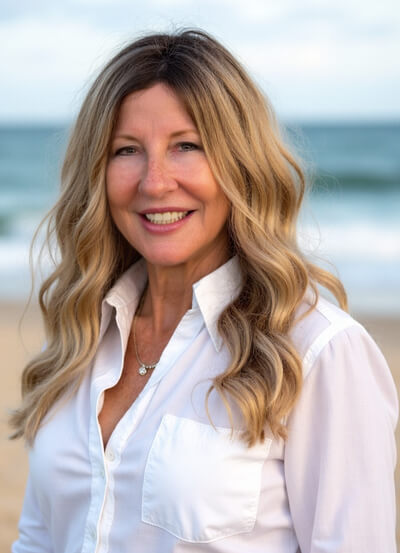
Katrina Wilson, Maui Real Estate Expert and Relocation Specialist — Coldwell Banker Island Properties
Global Luxury
Certified REALTOR®
17+ Years on Maui
Your Maui Guide

Why Families Trust Katrina Wilson

17+ Years on Maui
500+ Families Helped
$1B+ In Transactions

Moving to Maui is one of the most significant decisions a family will ever make — logistically complex, emotionally charged, and financially consequential. Katrina Wilson has spent 17+ years helping mainland families navigate every aspect of that journey, from their first nervous inquiry to the day they hand back the keys to their rental and hold the keys to their island home.

What sets Katrina apart isn't just her market knowledge — though that is unmatched. It's her relocation-specific expertise: the ability to help a family understand which neighborhood suits their children's personalities, which school districts align with their educational values, and which properties are priced fairly versus overvalued in a market that can be opaque to outsiders.

She is also brutally honest when honesty is needed. If a property has hidden issues, if a neighborhood isn't right for a family's stage of life, or if the market timing doesn't favor buying right now — Katrina will tell you. Her business is built on referrals from clients who trusted her enough to listen, and she protects that trust fiercely.

  • Local network you can't replicate: Trusted lenders experienced in Hawaii mortgages, inspectors who know island-specific construction issues, contractors, movers, schools, pediatricians — all vetted and available to you from day one.
  • Negotiation skill that matters: In a competitive market with limited inventory, your agent's ability to structure an offer correctly and build seller rapport is the difference between getting the home and watching it go to someone else.
  • Concierge-level service, no pressure: Katrina's process is designed around your timeline and comfort level. Whether you're 6 months or 6 weeks from being ready, she meets you where you are.
  • Coldwell Banker Island Properties: Backed by one of Hawaii's most trusted brokerages, with access to off-market listings, first-look inventory, and a professional support team operating at the highest ethical standards.
  • She actually lives this life: Katrina raises her family on Maui. She shops at the same farmers markets, sends her kids to island schools, and surfs the same breaks she'll recommend to your teenagers. Her advice isn't theoretical — it's lived.
Client Stories

Families Who Made the Move

★★★★★
"We were terrified to buy a home we'd never seen in person, on an island we'd only visited twice. Katrina made it feel completely manageable. She sent video walkthroughs, walked the neighborhood for us on FaceTime, and was honest about every single issue we needed to know about. Two years later, our kids are surfing before school and we cannot imagine living anywhere else."
The M. Family
Relocated from Seattle, WA · Kihei
★★★★★
"Katrina told us the truth when we needed to hear it — the first condo we wanted had serious HOA reserve problems, and she pulled us back from the brink. The home we ultimately bought is perfect. She understood what our family needed better than we did, and she fought for us at every step of negotiation. She's not just a realtor. She's a trusted advisor."
The T. Family
Relocated from San Francisco, CA · Wailea
★★★★★
"We moved with three kids, two dogs, and a horse. Most people thought we were crazy. Katrina found us a five-acre Upcountry parcel with water rights, helped us navigate the agricultural zoning, connected us with a vet who handles large animal arrivals, and still answered texts at midnight during the escrow process. She is exceptional in every sense of the word."
The H. Family
Relocated from Texas · Kula, Upcountry
Family FAQ

Questions Families Ask Before Making the Move

Overwhelmingly yes — and most parents who move here describe it as the best parenting decision they ever made. Children on Maui grow up outdoors, in a community that genuinely values `ohana, and in an environment where cultural diversity, ocean literacy, and environmental awareness are baked into daily life. Schools emphasize Hawaiian values alongside academics. The social environment is generally less pressured, more collaborative, and more community-oriented than what most mainland families are accustomed to.
Maui's economy is anchored by tourism, healthcare, construction, real estate, and agriculture. Hospitality management, healthcare (nursing, physicians), construction trades, property management, and local government all offer stable employment. The island has a genuine shortage of skilled workers in several sectors, particularly healthcare and construction. Salaries tend to be lower than mainland metro areas, which is why remote work — maintaining mainland compensation while living on Maui — is such a compelling model. A frank conversation with Katrina about income and budget is always part of her relocation consultations.
It depends heavily on your priorities. For beach access and walkability: South Maui (Kihei). For space, cooler temperatures, and a quieter pace: Upcountry (Kula, Makawao). For affordability and proximity to amenities: Central Maui (Wailuku, Kahului). For a creative, surf-forward culture: North Shore (Haiku, Pa'ia). Each neighborhood has genuinely different personalities, school catchment areas, and lifestyle rhythms. This is one of the most important conversations Katrina has with every family she works with — and she asks a lot of questions before making any recommendations.
Getting a mortgage in Hawaii as a mainland buyer is straightforward with the right lender — but not all mainland lenders are experienced with Hawaii's unique property types (leasehold, CPR condos, agricultural land). Katrina works with several Hawaii-specialized lenders who understand these nuances and can pre-approve buyers efficiently, even for remote purchases. Hawaii also participates in standard FHA, VA, and conventional loan programs. The USDA rural loan program applies to some Upcountry and rural areas. Jumbo loan programs are common given Maui's home price points.
Hawaii has one of the strictest pet import processes in the world, designed to protect the islands' rabies-free status. Dogs and cats can enter quarantine-free if they meet specific requirements: a current microchip, two FHAB-approved rabies vaccinations, an OIE-FAVN rabies antibody blood titer test at an approved lab, and a 90-day waiting period after the successful titer test. The entire process typically takes 4–6 months to complete properly. Katrina's relocation team includes a pet travel specialist who has guided dozens of families through this process without a single quarantine stay.
Like any real estate market, Maui carries risks. The primary ones for buyers today: inventory remains constrained, meaning competition can be fierce for desirable properties; interest rates affect purchasing power significantly; some areas (particularly near the 2023 fire zones) carry elevated insurance costs; and short-term rental income assumptions have shifted significantly due to regulatory changes. That said, Maui's long-term supply constraints and sustained demand from a globally wealthy pool of buyers give it a fundamentally different risk profile than most mainland markets. Katrina will give you a clear-eyed, unvarnished assessment of market conditions at the time you're ready to buy.
Island fever is real, and Katrina believes in honest conversations about it. Living on an island means you are geographically bounded — if you want a spontaneous weekend road trip across state lines or easy access to aging parents on the mainland, that requires flights. Some people genuinely find this constraining after the honeymoon phase fades. The families who thrive long-term on Maui tend to have a strong sense of self-sufficiency, a deep love of outdoor life, genuine community investment, and realistic expectations. Those who struggle often underestimated the cost of living or overestimated how often they'd be comfortable being far from mainland family. Katrina recommends renting on Maui for 3–6 months before buying if there's any doubt — and she has rental contacts who can help with that too.
Standard escrow periods in Hawaii run 30–45 days for typical transactions. Cash transactions can close faster — occasionally in 14–21 days if all parties are motivated. Financing-contingent offers typically require 45 days to accommodate loan processing. Leasehold properties, agricultural parcels, and CPR condos may require additional due diligence time. Katrina manages the entire escrow timeline — coordinating inspectors, appraisers, title, lenders, and HOA document reviews — so that deadlines are met and surprises are minimized.
Ready to Begin?

Schedule Your Free Relocation Consultation with Katrina

Whether you're six months away from being ready or making an offer next week, the right conversation starts now. Katrina will listen to your family's priorities, give you an honest picture of the current market, and map out a personalized path to your Maui home — completely without pressure and at no cost to you.

Start Your Maui Journey Today

By submitting this form you consent to being contacted by Katrina Wilson / Coldwell Banker Island Properties regarding your real estate inquiry. Your information is never shared or sold. View our Privacy Policy.

Footer | Katrina Wilson | Maui Real Estate